
Hyderabad.22.10.2025: The Telangana government has announced a bold reform, officially abolishing all transport department check posts across the state with immediate effect. The landmark decision, confirmed by Transport Minister Ponnam Prabhakar at the Khairatabad Transport Department office, marks a major stride toward digital governance, transparency, and corruption-free administration in the state’s transport sector.
Government Decision and Implementation
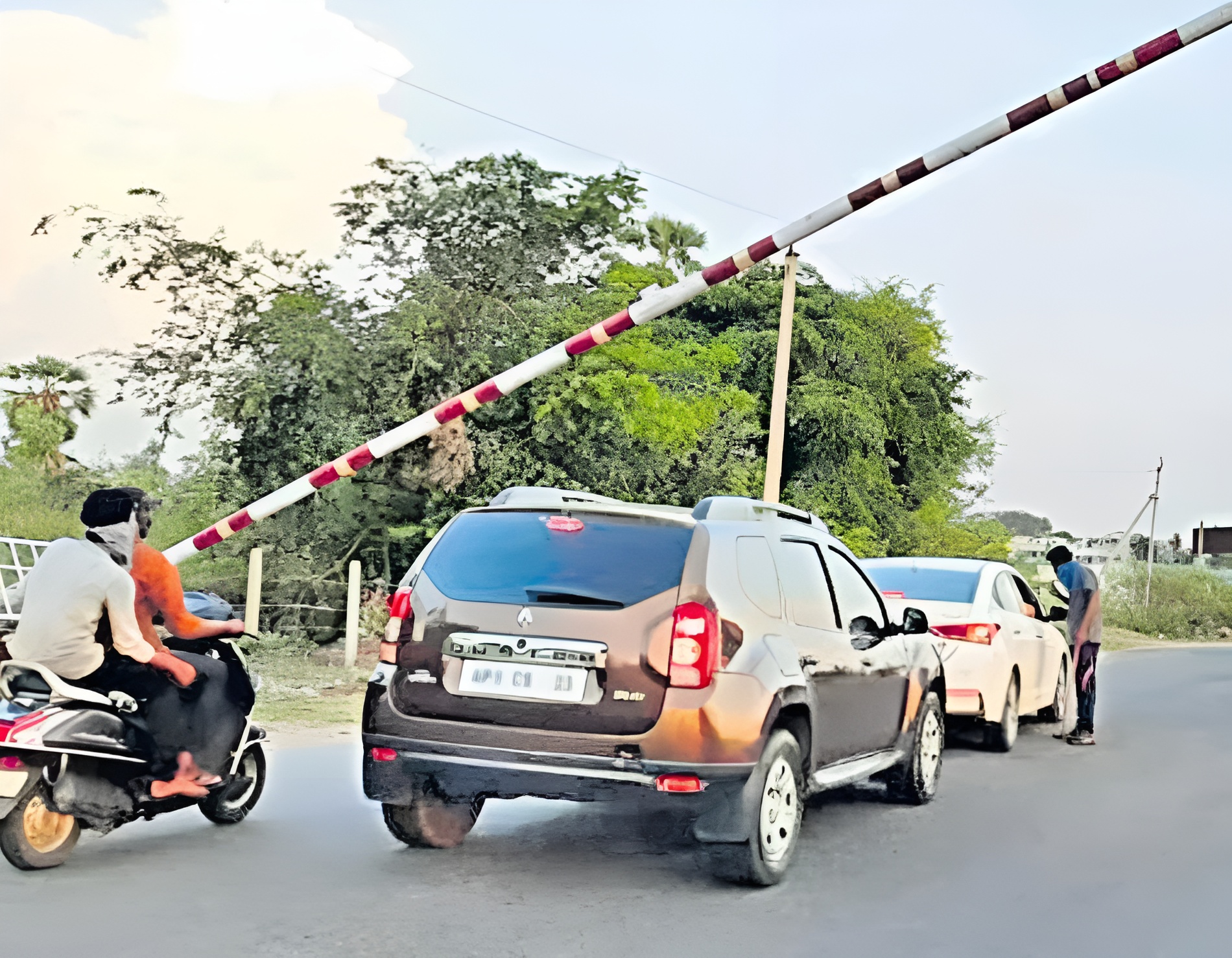
The move stems from Government Order (GO) No. 58 issued on August 28, 2025, which directed the immediate closure of all check posts under the Transport Department. The Transport Commissioner issued operational orders instructing all Deputy Transport Commissioners (DTCs) and District Transport Officers (DTOs) to dismantle the check posts, remove all barriers, boards, and signage, and redeploy staff by October 22 evening. All officers were required to submit compliance and video documentation of the process by 5:00 pm.
Ponnam Prabhakar revealed that the Cabinet had approved the measure two months ago as part of a strategic reform plan to modernize the transport system and make it entirely online. The decision followed a series of Anti-Corruption Bureau (ACB) raids at various check posts last week that unearthed a large-scale bribery racket worth over Rs 4.18 lakh, confirming long-standing suspicions of institutionalized corruption at these junctions.
Objectives Behind the Reform
Minister Prabhakar said the government’s decision aimed to ensure a transparent, citizen-friendly transportation system by ending physical checkpoints — which had become notorious for bribe collection and harassment. By transitioning to digital enforcement and e-monitoring, the department plans to eliminate middlemen and irregularities.
He emphasized that Telangana has now joined the central government’s VAHAN and SARATHI platforms, enabling fully online vehicle registration, license issuance, and tax payment systems. These integrations will also allow authorities to track vehicles, fitness certificates, and tax status digitally without the need for roadside checks.
EV Policy and Technological Transformation
Highlighting the state’s commitment to green mobility, Prabhakar said Telangana’s Electric Vehicle (EV) policy had already helped the state exempt Rs 577 crore in taxes to promote eco-friendly transport. The policy has successfully raised the EV share in vehicle sales from 0.03% to 1.17% in a short span, reducing pollution and aligning with sustainable mobility goals.

He noted that digital monitoring — powered by AI-based alert systems — will soon automate reporting of suspicious vehicle movements or document lapses. This system will connect all district transport offices to the central database, ensuring real-time compliance tracking and minimizing manual intervention.
Administrative Orders and Staff Redeployment
All movable assets from the check posts — including furniture, computers, and financial records — are to be transferred to district transport offices. Officers are required to reconcile all records, including receipts and cashbooks, and preserve them for audit purposes. The dismantled locations will be equipped with new information boards displaying the list of online services available to transport operators.
Minister Prabhakar underlined that no transport department personnel will remain stationed at the old check post sites. Instead, the department will strengthen district-level monitoring teams to identify tax evasion or illegal goods movement through advanced analytics rather than physical checkpoints.
A Step Toward Corruption-Free Governance
The decision carries deep political and administrative significance, symbolizing Telangana’s second wave of governance reforms under Chief Minister A. Revanth Reddy’s leadership. With the removal of check posts, the government aims to restore public trust, ease logistics bottlenecks, and align state practices with national post-GST standards.
Minister Prabhakar concluded by stating, “For more than a decade, transport check posts were breeding grounds for corruption. This decision makes Telangana a model for transparent, technology-driven administration. We are not just removing barriers on roads but barriers in governance itself.”



 SnapNews as Your Trusted Source
