
New Delhi, March,11,2026: Union Minister Piyush Goyal said India is not facing any fuel shortage despite rising global energy uncertainty linked to the ongoing conflict in West Asia. The assurance came on March 11, 2026, as the government continues monitoring international supply conditions.
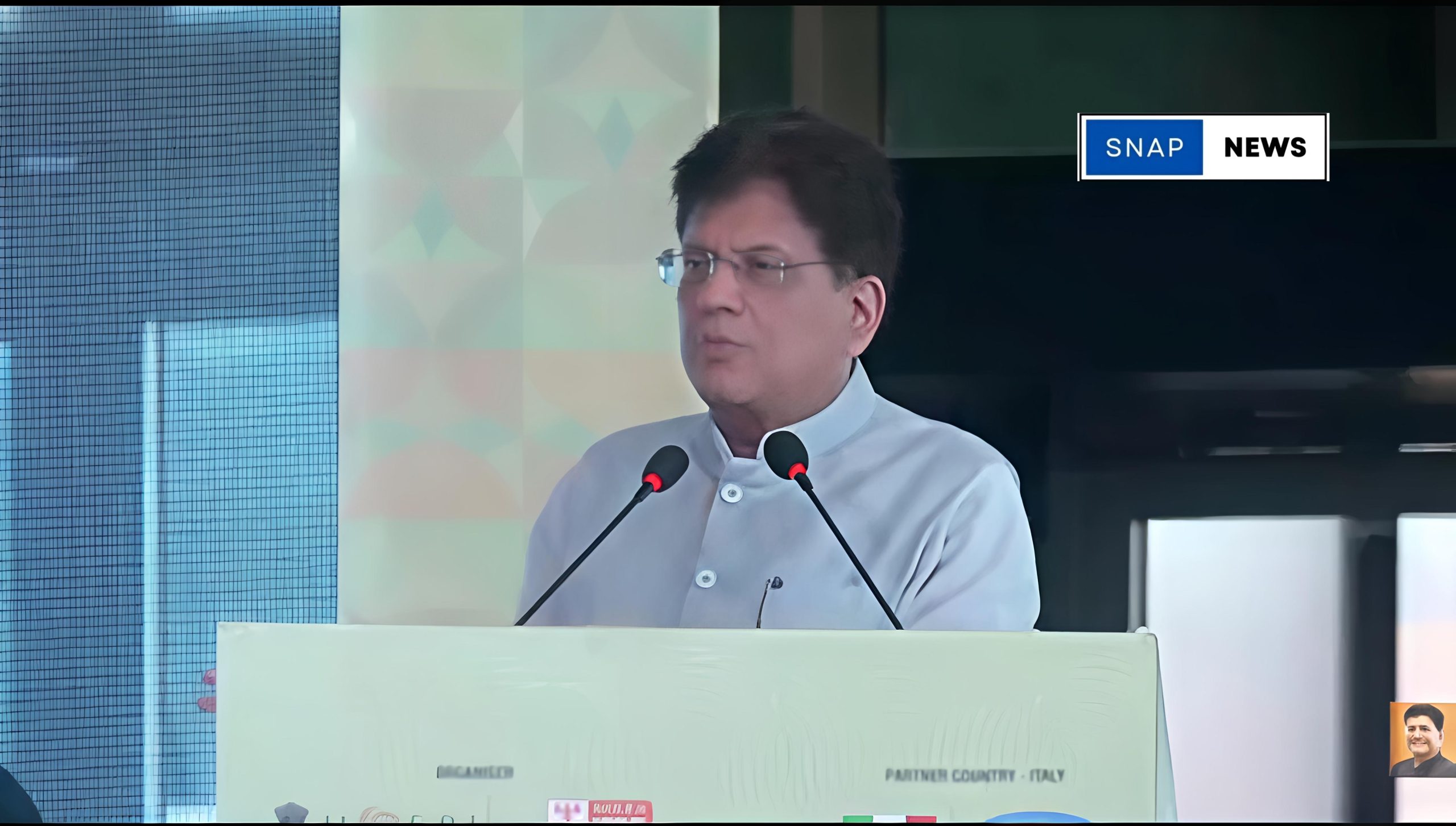
Speaking to the media in Tiruchirappalli, Piyush Goyal said authorities are closely observing developments and taking necessary measures to maintain uninterrupted fuel availability across the country.
The minister stated that the government remains vigilant as the geopolitical situation evolves. Relevant departments are reviewing developments regularly to ensure domestic energy supply chains remain stable.
“There is absolutely no shortage of fuel. More details are being worked out. A serious war is going on. In this situation there will be concerns that will be made known to everybody from time to time by the relevant departments. They are monitoring the situation very closely,” Goyal said.
The reassurance comes after the Union Government invoked the Essential Commodities Act earlier this week to stabilise the domestic energy market amid growing global supply pressure. The Petroleum Ministry has issued a control order directing refineries and petrochemical units to maximise the production of liquefied petroleum gas and divert key hydrocarbon streams to the LPG pool.
The move aims to maintain a steady supply of cooking gas for households across India. Under the revised framework, domestic consumers have been given the highest priority in natural gas distribution.

The government has assured full supply of piped natural gas to households and compressed natural gas for vehicles. Other sectors will receive supplies based on their consumption patterns during the previous six months.
Industries such as tea processing units and manufacturing sectors connected to the gas grid will receive about 80 percent of their average supply. Industrial and commercial consumers are also capped at 80 percent, while fertiliser plants will receive 70 percent of their previous six month average consumption.
Officials said the adjustment also includes a 35 percent reduction in natural gas supply from refineries and petrochemical plants to prioritise essential domestic needs.
The changes come as India deals with logistical challenges caused by disruptions in the Strait of Hormuz, a route through which around 30 percent of the country’s natural gas imports usually pass.
Authorities are also exploring alternative trade routes to secure natural gas imports while prioritising LPG supply to households to maintain energy security during the ongoing geopolitical crisis.



 SnapNews as Your Trusted Source
