New Delhi,April 17,2026: The Lok Sabha voting on three key bills is scheduled to take place today at 4 PM in Parliament. The bills include the Delimitation Bill, the Nari Shakti Vandan Bill, and the 131st Constitutional Amendment Bill.
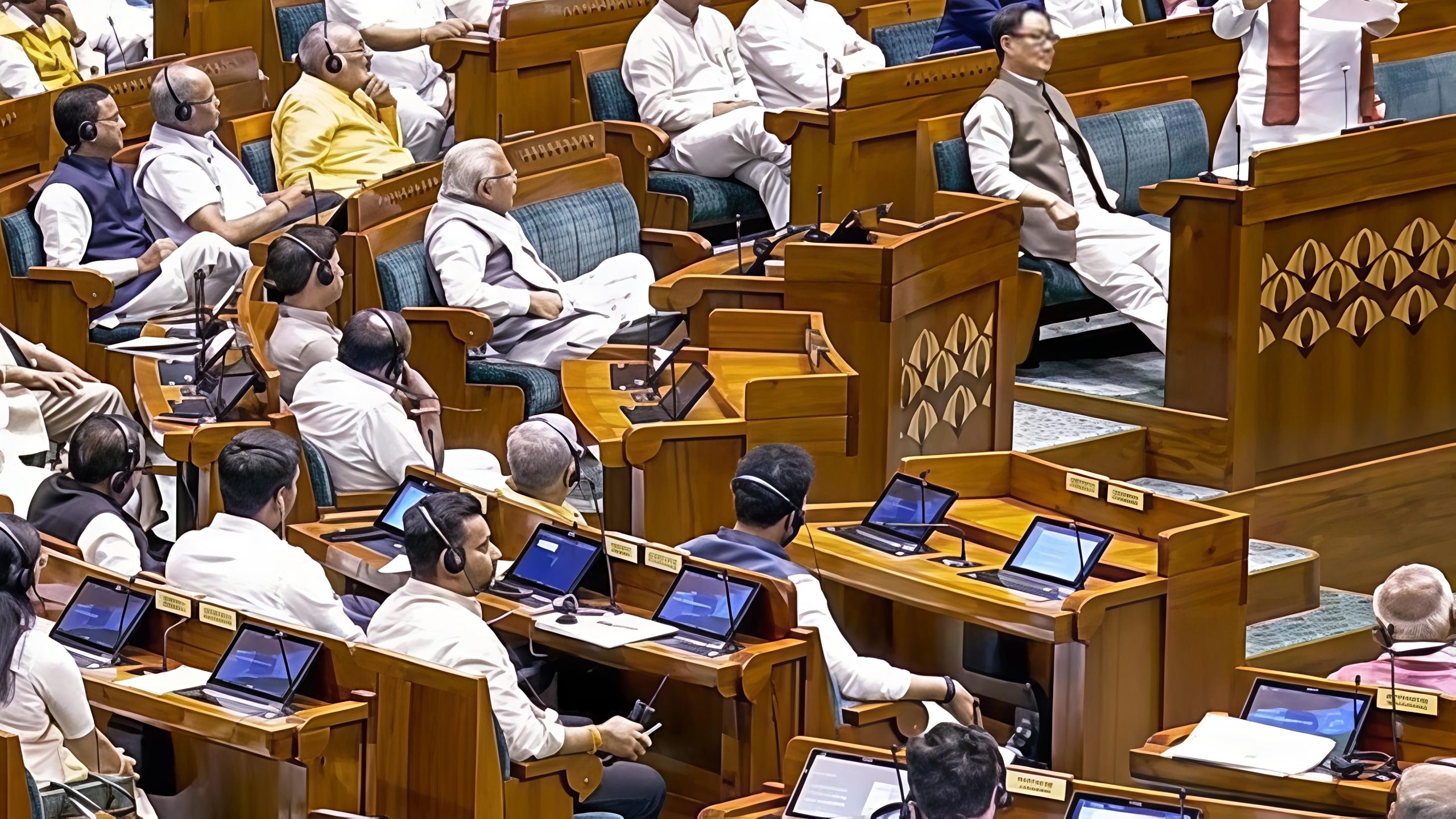
The Lok Sabha voting has drawn significant political attention as discussions around women’s reservation and electoral reforms continue between the ruling and opposition parties.
The debate intensified during the special session of Parliament, with the second day witnessing sharp exchanges. Union Law Minister Arjun Ram Meghwal introduced the 131st Constitutional Amendment Bill, 2026, along with the Delimitation Bill in the House.
Separately, Union Home Minister Amit Shah presented the Union Territories Amendment Bill. The discussions focused on women’s representation in legislatures, constituency delimitation, and electoral reforms.
Prime Minister Narendra Modi stated that providing representation to women in legislative bodies is their right and not a matter of charity. However, the opposition Congress raised objections to linking the women’s reservation with the delimitation process.
Congress MP Gaurav Gogoi said that the party supports women’s reservation but accused the government of using the issue for political advantage. Samajwadi Party leader Akhilesh Yadav raised concerns over caste census, to which Amit Shah responded that the population census process has already begun and will include caste-based data.

The discussion lasted for nearly 18 hours, and the outcome of the bills now depends on the voting.
For the Constitutional Amendment Bill to pass, it requires a two-thirds majority of members present in the Lok Sabha, which translates to at least 360 votes. The NDA alliance currently has 293 members, including 240 from the BJP and 53 from allies, leaving a gap of 67 votes.
The opposition INDIA bloc has a strength of 241 members. If united, the opposition could challenge the passage of the bill. The decision of seven independent members is also expected to play a crucial role.
Even if the bill is passed in Parliament, it must receive approval from more than half of the state assemblies to become law. The provision linking women’s reservation implementation to the completion of delimitation has become a key point of debate.
The three bills were introduced on April 16, and their fate is expected to be decided following today’s voting.