US President Donald Trump has pledged to intensify economic pressure on Iran, with Washington considering additional sanctions and other measures aimed at restricting Tehran’s access to oil revenue, finance and international trade. Treasury Secretary Scott Bessent has indicated that new measures could be announced as early as next week.
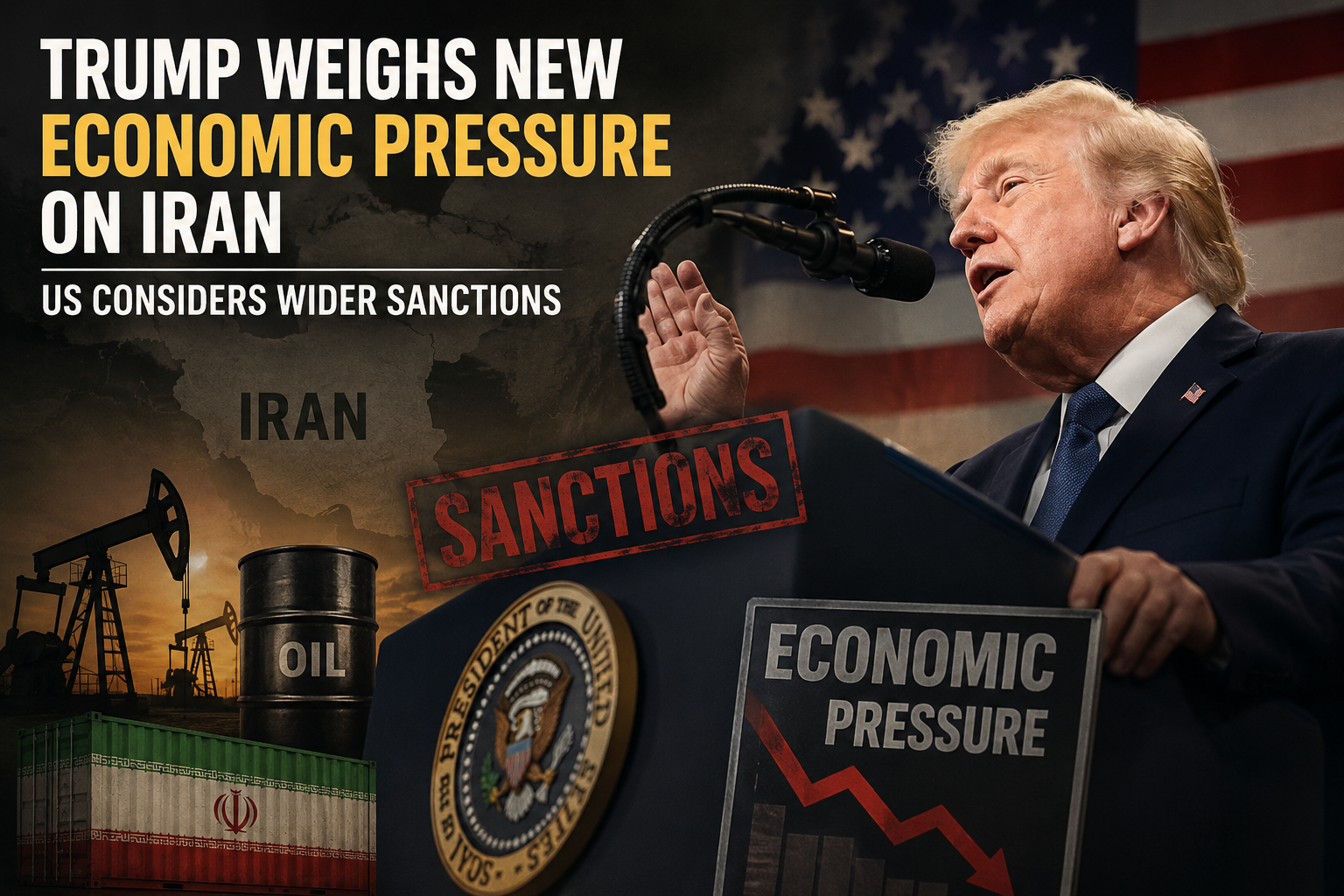
The United States has already imposed extensive sanctions on Iran over its nuclear programme, human rights record and support for militant groups. Since the war involving Iran began in February, Washington has added maritime, energy and financial restrictions and has also imposed a naval blockade.
One option under consideration is tougher action against Chinese independent refineries, commonly known as “teapots”, which play a significant role in processing Iranian crude. China bought more than 80% of Iran’s shipped oil in 2025, according to data cited by Reuters from analytics firm Kpler. US sanctions on Chinese refiners could therefore put additional pressure on a major market for Iranian oil.
Washington could also target Chinese banks accused of facilitating Iranian oil transactions. US officials have previously warned that larger Chinese financial institutions could face secondary sanctions if Iranian funds are found moving through their systems. Such action, however, could increase tensions between Washington and Beijing.
Another possibility is a broader enforcement campaign against companies and individuals helping Iran evade sanctions. Experts describe this as a continuing effort to disrupt networks that are repeatedly replaced after sanctions are imposed.
Further aviation restrictions could also be considered as the US seeks to limit Iran’s ability to move goods internationally. Some officials have additionally discussed the possibility of a land blockade, although such a move would require cooperation from Iran’s neighbouring countries and would be difficult to enforce.
Trump administration weighs wider economic measures
Trump has also threatened secondary tariffs against countries that continue doing business with Iran. A Senate-passed sanctions bill containing new Iran-related provisions could potentially provide additional tariff powers, but it still requires approval from the House of Representatives.
The latest developments come as shipping through the Strait of Hormuz has fallen sharply amid the conflict and attacks on vessels. The United States has said it can maintain its naval blockade indefinitely, while Washington prepares further economic measures against Tehran.