New Delhi,March,26,2026: Nayara petrol diesel price hike has come into effect as Nayara Energy raised petrol by Rs 5 per litre and diesel by Rs 3 per litre on Thursday. The company cited rising global oil prices linked to the ongoing West Asia conflict as the main reason.
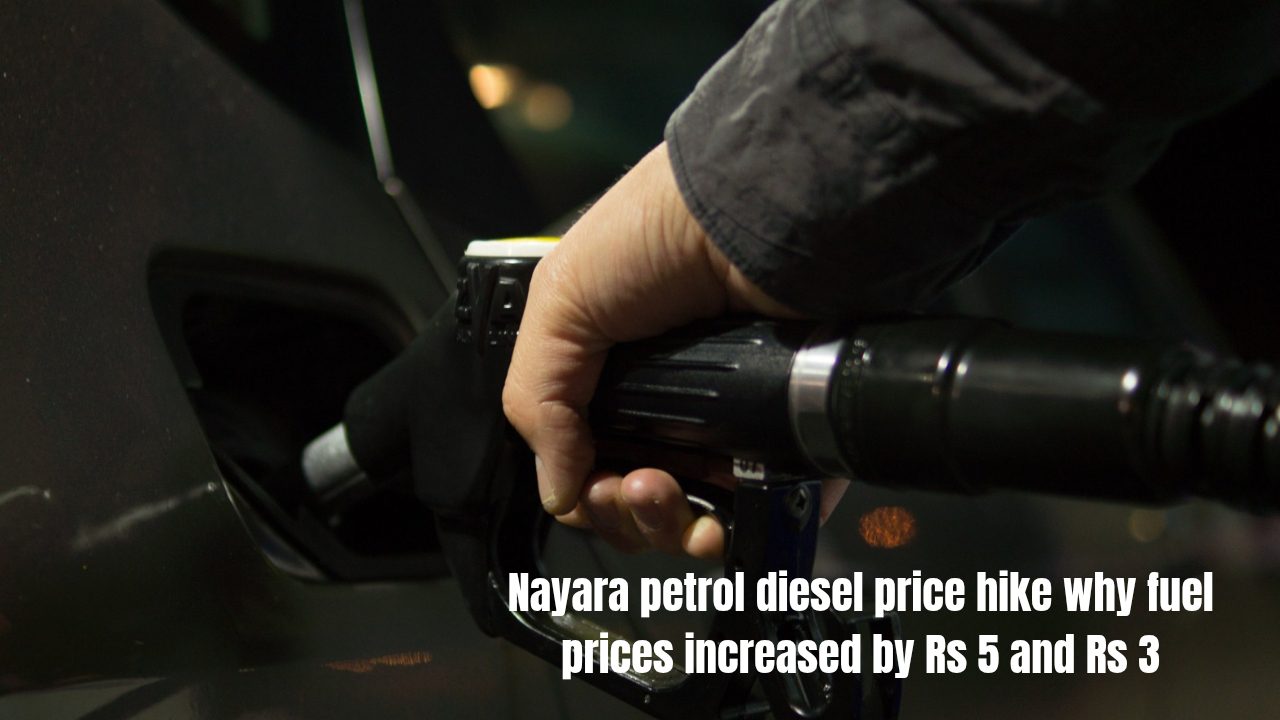
Nayara Energy, India’s largest private fuel retailer, operates 6967 petrol pumps across the country. According to sources, the company decided to pass on part of the increased input costs to consumers after facing sustained financial pressure.
The recent surge in international crude oil prices followed military actions involving the United States and Israel against Iran. This led to retaliation from Tehran, disrupting oil supply routes and pushing global prices higher.
Sources said petrol prices were increased by Rs 5 per litre and diesel by Rs 3 per litre. The final impact may vary across states due to differences in local taxes such as VAT. In some regions, petrol prices have gone up by more than Rs 5.
Private fuel retailers like Nayara do not receive government compensation for losses incurred due to controlled pricing. Officials indicated that mounting losses left the company with limited options but to revise retail prices.
A company spokesperson did not immediately comment on the development.

Meanwhile, other private player Jio bp has not increased prices so far despite reportedly facing similar cost pressures. State-owned oil companies, which control around 90 percent of the fuel market, have also kept regular petrol and diesel prices unchanged.
However, these public sector firms recently increased the price of premium petrol by Rs 2 per litre and bulk diesel rates by about Rs 22 per litre for industrial users.
Retail fuel prices in India have largely remained unchanged since April 2022. Oil companies typically absorb losses when crude prices rise and recover margins when prices fall.
International crude oil prices recently touched 119 dollars per barrel before easing to around 100 dollars per barrel. The volatility has been linked to tensions in West Asia and concerns over supply disruptions through key shipping routes.
India imports about 88 percent of its crude oil requirements, making domestic fuel pricing sensitive to global market trends.
For now, there is no official indication from state-run oil companies on revising regular petrol and diesel prices. The situation will depend on global oil trends and policy decisions in the coming days.