
New Delhi, March,12,2026: The conflict between Iran, Israel, and the United States continues to intensify in West Asia. Iran’s new Supreme Leader, Ayatollah Mojtaba Khamenei, issued his first statement since assuming office, declaring that attacks against enemies will continue until full revenge is achieved.

Khamenei also ordered the closure of the Strait of Hormuz, one of the world’s most critical oil shipping routes. Nearly
20% of global oil supply passes through this waterway, and the move has raised concerns about global energy security and rising oil prices.
At the same time, Israel launched a wide-scale wave of airstrikes across Iran, targeting military and strategic infrastructure. Explosions were also reported over Jerusalem after Iranian missiles were detected heading toward Israel.
Iran’s Revolutionary Guards confirmed they would follow the leader’s directive and maintain the strategy of blocking the Strait of Hormuz while continuing strikes against U.S. and Israeli interests in the region.
Meanwhile, U.S. President Donald Trump said preventing Iran from acquiring nuclear weapons is more important than concerns over rising oil prices.
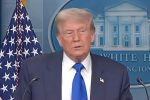
He emphasized that stopping Iran’s nuclear ambitions remains the top priority for the United States.
The war has already disrupted global oil markets, with crude prices crossing $100 per barrel, prompting several countries to release emergency oil reserves to stabilize the market.
Despite the rising tensions, India’s Oil Minister Hardeep Singh Puri stated that India’s crude supply remains secure because the country now sources around
70% of its oil imports from routes outside the Strait of Hormuz.
Diplomatic efforts are ongoing, with countries like Turkey, Russia, and several international organizations calling for negotiations to prevent the conflict from expanding further across the region.




 Make Us Your Trusted Source
