
New Delhi, March,04,2026 :The IRGC role in Iran remains central to the country’s political and military structure. The Islamic Revolutionary Guard Corps continues to hold significant influence even during leadership changes.
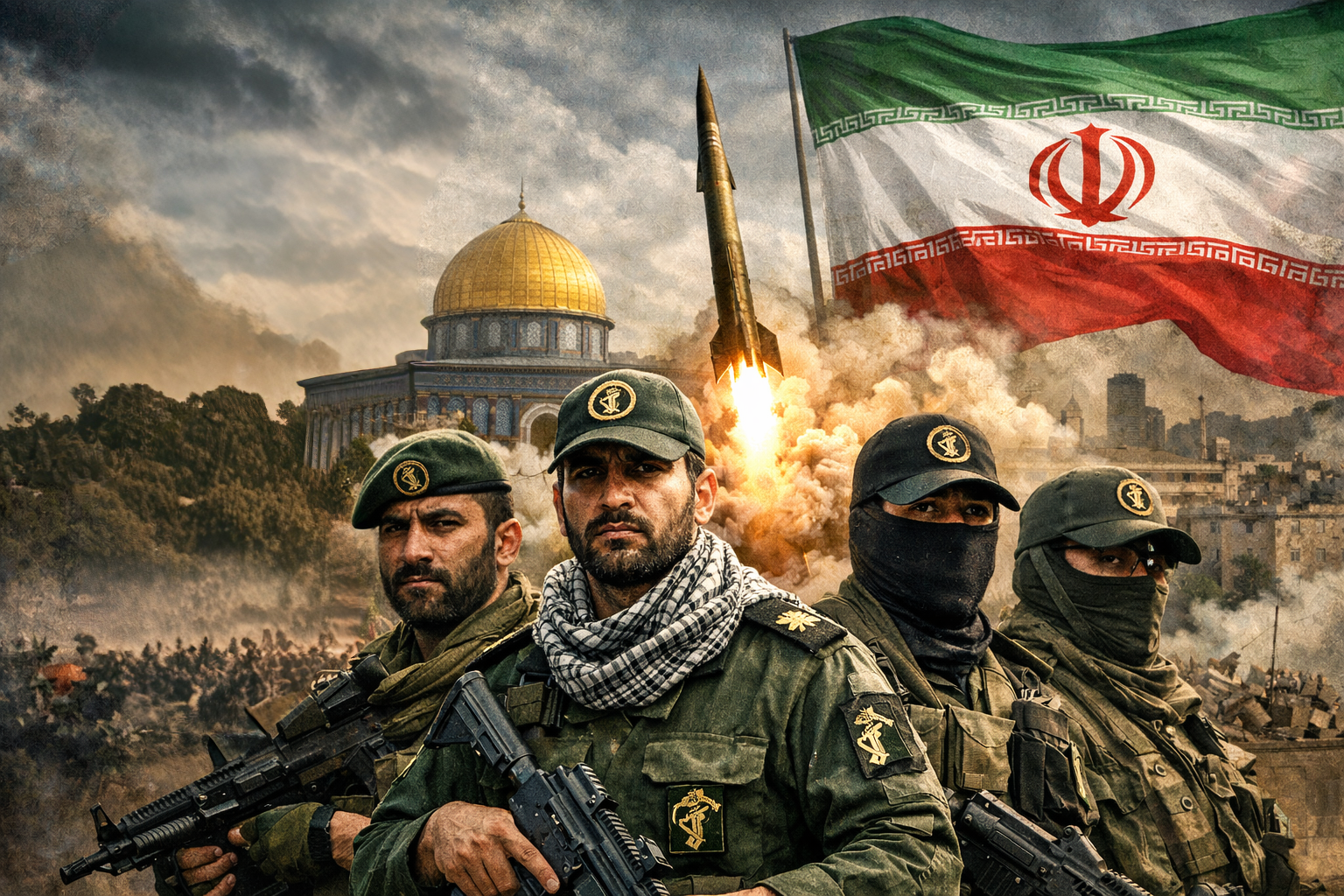
The organization operates parallel to the government and the regular armed forces, making it one of the most powerful institutions in Iran.
The Islamic Revolutionary Guard Corps, known as IRGC, plays a key role in Iran’s political, military, and economic system. Unlike the regular armed forces, the IRGC reports directly to the country’s Supreme Leader.
The organization is not accountable to the president, prime minister, or other government institutions. Its primary objective is to protect Iran’s borders and safeguard the ideals of the Islamic Revolution.
The IRGC was established after the Islamic Revolution in 1979 by then Supreme Leader Ayatollah Ruhollah Khomeini. The force was created due to concerns that the existing military could remain loyal to the former monarchy.
To prevent this, the new leadership formed a separate force that would remain loyal only to the Islamic system and the Supreme Leader. Over time, the organization expanded its influence across several sectors of the country.
The IRGC has its own army, navy, and air force units. Two of its major divisions are the Quds Force and the Basij militia.
The Quds Force operates outside Iran and handles military and strategic activities in other countries. Its operations have been reported in regions including Lebanon, Syria, Iraq, and Yemen.

The Basij militia operates inside Iran and is used to control protests and respond to activities considered against the state.
The IRGC role in Iran is strengthened by its chain of command, which answers directly to the Supreme Leader. This structure allows the organization to influence both foreign policy decisions and internal security matters.
The corps is also believed to be involved in managing Iran’s missile systems and elements of the country’s nuclear program.
Beyond military power, the IRGC also holds significant economic influence. Major sectors including oil, gas, construction, telecommunications, and banking include companies linked to the organization.
Revenue from these business activities is often used to support military operations and overseas networks.
In recent years, the group has faced increasing pressure due to regional tensions and internal political changes. Rising tensions with Israel and the United States have also added to the challenges.
Despite these pressures and the loss of several senior commanders in recent attacks, the IRGC continues to remain a central pillar of Iran’s security and regional strategy.



 SnapNews as Your Trusted Source
