
New Delhi, March,03,2026: The Israel-Iran War has intensified in the Middle East, raising concerns about a possible wider global conflict. The situation has drawn responses from major global powers, increasing diplomatic and security tensions.
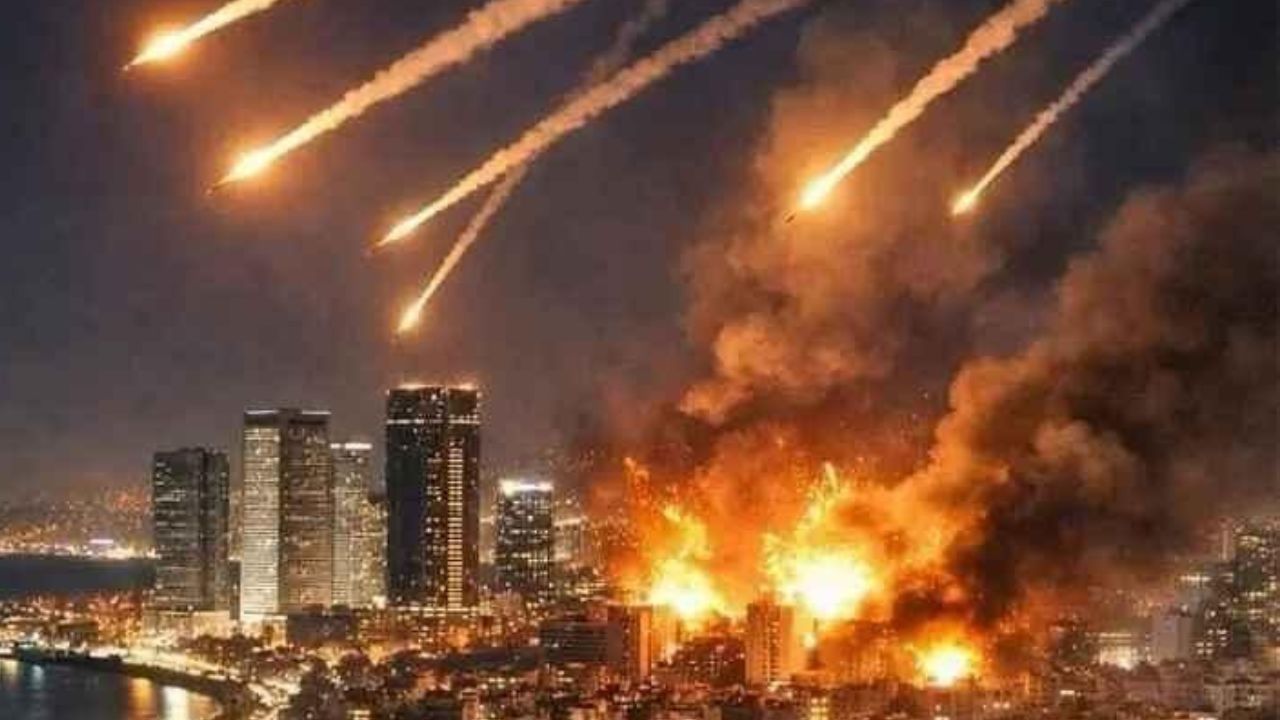
Fighting involving Israel, the United States and Iran has reportedly spread across parts of the Gulf region. The developments have triggered discussions in several countries about the risk of a broader international confrontation.
The United States and Israel are being backed by the United Kingdom, France and Germany. Meanwhile, China has announced that it would support Iran. These alignments have heightened global attention on the evolving situation.
The developments in the Middle East have led to concerns that the conflict could extend beyond the region. Observers note that countries in Asia and Europe are closely monitoring the situation amid rising geopolitical tensions.
Global energy markets have also reacted. Crude oil supply disruptions have been reported, leading to uncertainty in international markets. There are concerns that continued instability could impact essential commodities.
The possibility of supply chain disruptions has raised worries among consumers. Market participants are assessing the potential economic impact if the conflict continues or expands further.
No official declaration has been made regarding any broader military escalation beyond the current engagements. Governments involved have not announced plans indicating a wider war at this stage.
The Middle East has experienced periods of tension in the past, often affecting global energy supplies and international relations. The current situation has once again brought focus to the region’s strategic importance.
Diplomatic efforts and international responses are being closely watched. Further developments are expected as governments continue to assess the evolving situation.




 Make Us Your Trusted Source
