Mumbai, 22 May 2026: The Tata Group’s listed companies have collectively seen a massive decline of ₹10 lakh crore in market capitalization since late 2024, raising concerns over corporate governance and leadership transition. This significant erosion in investor wealth reflects a shift in market sentiment following a period of structural changes within India’s largest conglomerate.
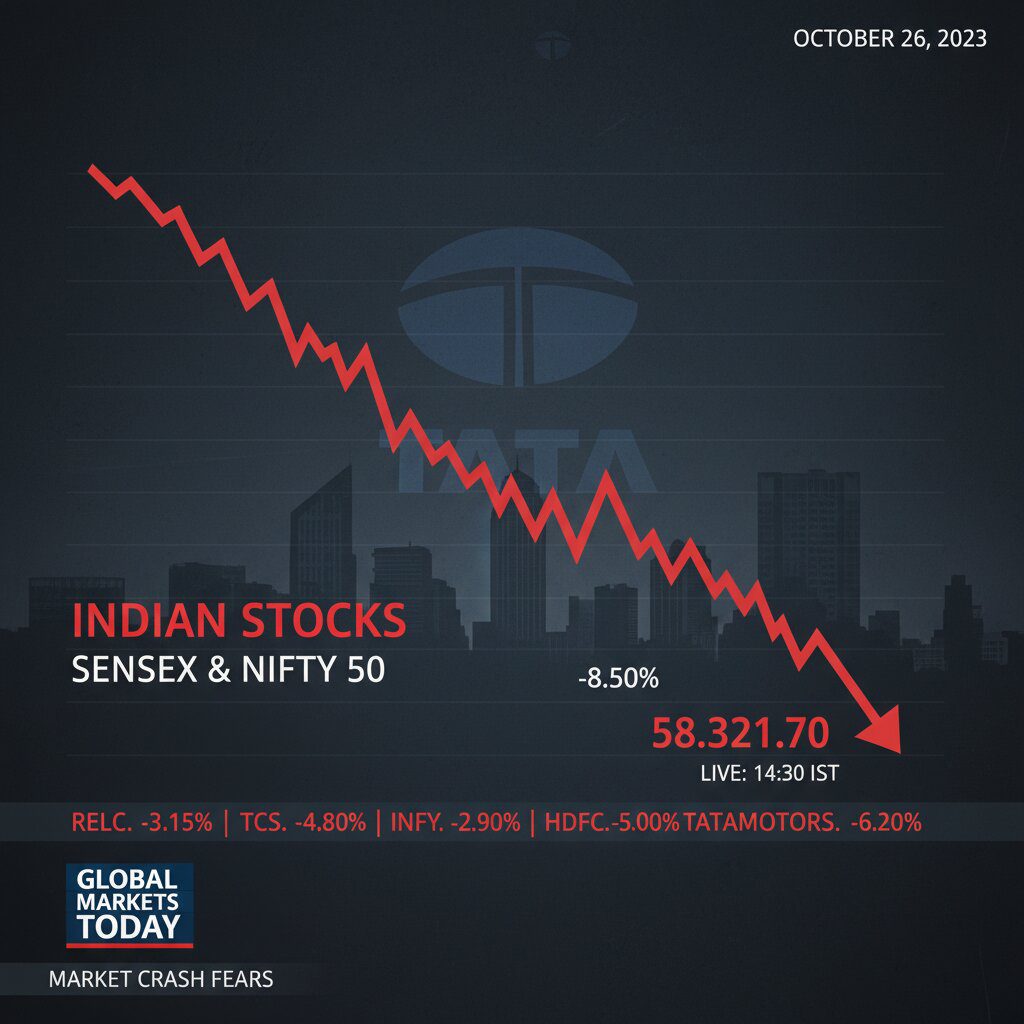
According to recent market data as of May 22, 2026, the valuation of Tata Group companies has been under severe pressure, with a total loss of approximately ₹10 lakh crore recorded since September 2024. Blue-chip entities such as Tata Consultancy Services (TCS), Tata Motors, and Tata Steel have seen their shares retreat from previous highs, contributing to the broader decline in the group’s total market value. Analysts point to a “governance cloud” that has hovered over the conglomerate, leading to cautiousness among domestic and international institutional investors.
Financial experts suggest that the lack of clear strategic direction in certain key business verticals has exacerbated the sell-off. While individual companies like Tata Power and Titan have shown resilience in specific quarters, the cumulative impact on the group’s market cap has been substantial. The decline represents a significant retreat from the peak valuations achieved during the mid-2024 rally, marking one of the most volatile periods for the group in the current decade.

Leadership Transition and Market Sentiment
“Investor sentiment around the Tata Group has weakened significantly as the market seeks more clarity on long-term leadership and the consolidation of various business arms,” noted a senior market strategist in the BusinessLine Morning Report. “The transition period has been marked by volatility, and the erosion of ₹10 lakh crore is a testament to the high expectations investors place on the Tata brand’s stability and governance standards.”
The downward trend gained momentum following the passing of Ratan Tata, the group’s Chairman Emeritus, in October 2024. His death marked the end of an era of unprecedented growth and stability, leaving a vacuum that the market has struggled to price in. Since then, the conglomerate has been navigating a complex landscape of global economic shifts, internal restructuring, and evolving regulatory environments in the sectors it operates in, including technology, automotive, and steel.
Looking ahead, market participants are closely watching for the upcoming quarterly earnings reports and any strategic announcements regarding debt reduction and capital allocation. While the current market correction is viewed as a significant setback, the Tata Group’s strong underlying assets and diverse portfolio provide a foundation for potential recovery. However, restoring investor confidence will likely require more transparent governance disclosures and a robust roadmap for the next phase of the group’s evolution under its current leadership.